


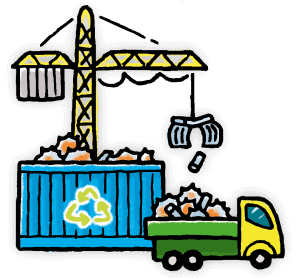
Theme V Recovery
Steel made from scrap has a significantly lower carbon footprint compared to ore-based steel, making scrap availability crucial—especially for producing not only low- but also high-quality “green steel.” Achieving this requires access to large volumes of high-grade scrap. Currently, recycling routes are limited and lack differentiation, which hinders the ability to maximize the quality of recovered materials. Improved information about scrap sources would enable more specialized recycling paths and reduce the unnecessary downgrading of scrap batches due to broad quality margins used by steel plants. Providing better quality data and the ability to upgrade scrap even after melting would lower the risks associated with scrap use.
Research objectives
Our focus is on expanding the number of scrap streams suitable for producing high-quality steel and improving the transparency and traceability of scrap throughout the entire supply chain. We are also focusing on the sorting process, where we aim to achieve better separation of unwanted materials. This Theme also aims to establish dedicated recycling streams for very high-quality scrap.
Focus
We develop test facilities for the analysis of scrap on an industrial scale, and for the production of steel powder for 3D printing.
We are also investigating whether high-quality raw materials can be recovered from tinned steel waste.
Digital models should provide insight into the various scrap streams, and how they are being processed.
We write feasibility reports for:
– Smart recovery and separation of ferrous scrap
– Refining general scrap steel
– Producing scrap steel powder
– Organizing the ferrous waste sector







Theme Managers

Pieter Kuiper
ARN

Frank Schrama (deputy)
Tata Steel
